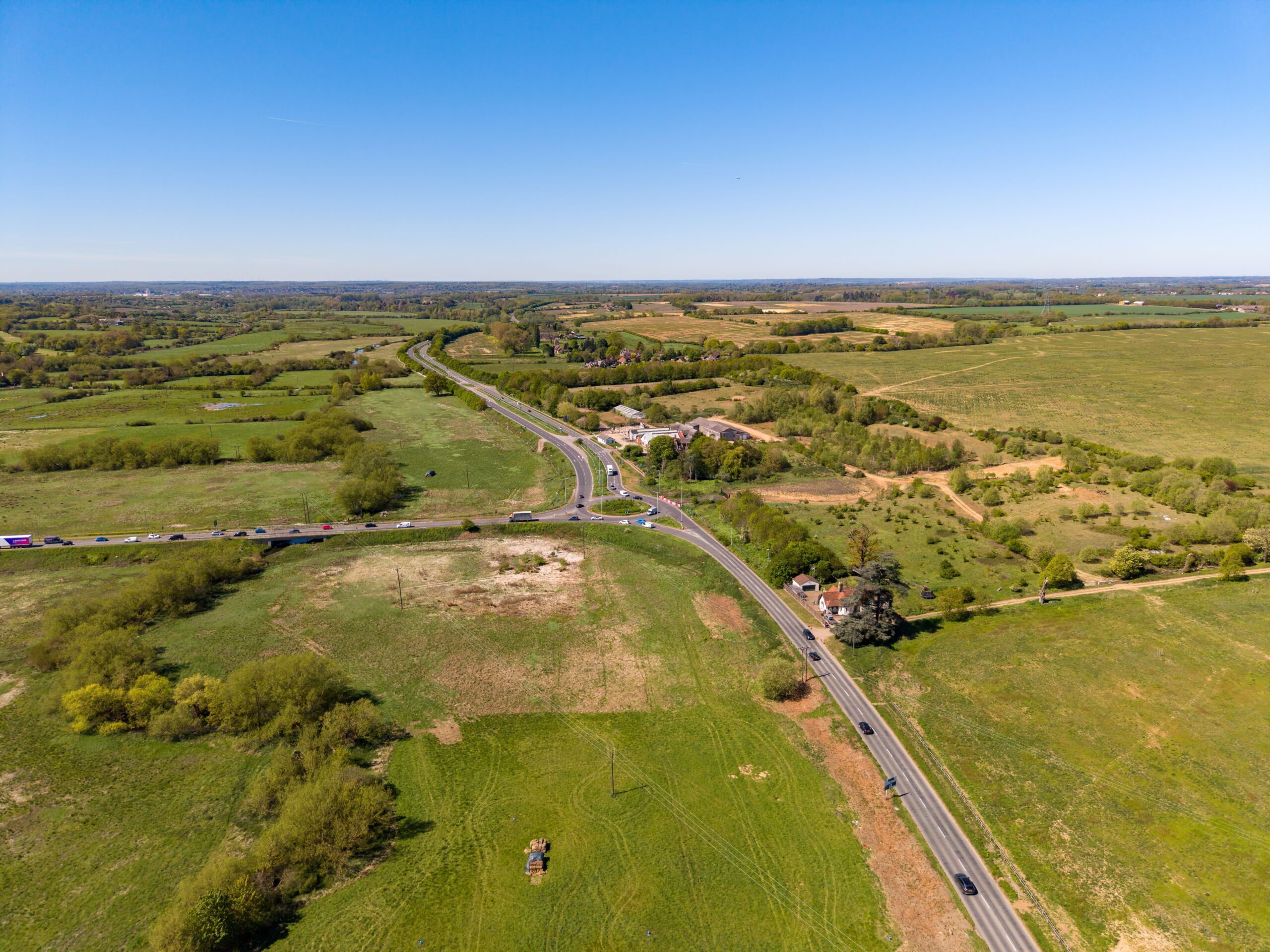
The delivery of the Garden Town’s Gilston Area is much more than building homes, it’s about creating a thriving new place, maintaining trust with communities and managing a project that will span decades.
That was the message from East Herts Council’s Martin Plummer and Jenny Pierce, who were speaking at Epping Forest District Council recently and sharing lessons from one of the country’s most ambitious place-making programmes as part of the Planning Officers Society’s East of England network event.
The Gilston Area will deliver 10,000 homes across seven villages alongside new schools, transport links, community facilities and extensive green infrastructure.
Martin, Assistant Director for Place Delivery, explained that the scale of the challenge extends far beyond housing numbers: “We’re working with different developers across the Gilston Area, which means we’ve had to create a single vision that underpins everything alongside two planning permissions and a long-term regulatory system.
“It’s a 30-year plan and we were always thinking and looking at the future, not just short or medium term.”
The scale and complexity of the project is reflected in the number of organisations involved, the extensive infrastructure required and the need to coordinate delivery over several decades.
Jenny, Team Leader for the Gilston Area at East Herts Council, said collaborative working had been critical to progress, but stressed that local authorities still had to take responsibility for key decisions: “Collaborative governance can help to align some interests but it can’t obscure the roles and responsibilities of the statutory decision maker.
“We own that risk of accountability and delivery.”
Community engagement was another central theme of the presentation, with both Martin and Jenny stressing that successful place-making depends on building and maintaining trust with residents throughout the life of the project.
Jenny explained that East Herts has an objective of being a listening council, recognising it may not always be possible to reach a view that everyone shares.
Instead, it’s about ensuring people have the opportunity to be heard: “The whole point is that we put ourselves in a room with residents and stakeholders.
“We listen to people and their ideas and we encourage collaboration.
“Engagement mustn’t be treated as a one stop shop and it has to be more than just a single consultation event.”
They also highlighted the importance of maintaining a “golden thread” through every stage of the development process, ensuring commitments made to communities continue to guide decisions.
Concluding the session, Martin reflected on the importance of retaining knowledge within teams on long-term projects: “Memories can be quite short when it comes to Section 106 negotiations.
“Having someone who remembers what was discussed, and the reasons behind those decisions, is so important.
“We’ve been able to rely on Jenny, who has been involved with the project since 2012, to help maintain that institutional memory, and that’s been absolutely key.”
The lesson from the Gilston Area was clear: successful place-making depends not only on planning policy and infrastructure, but also on governance, collaboration, community engagement and a shared commitment to delivering a long-term vision.